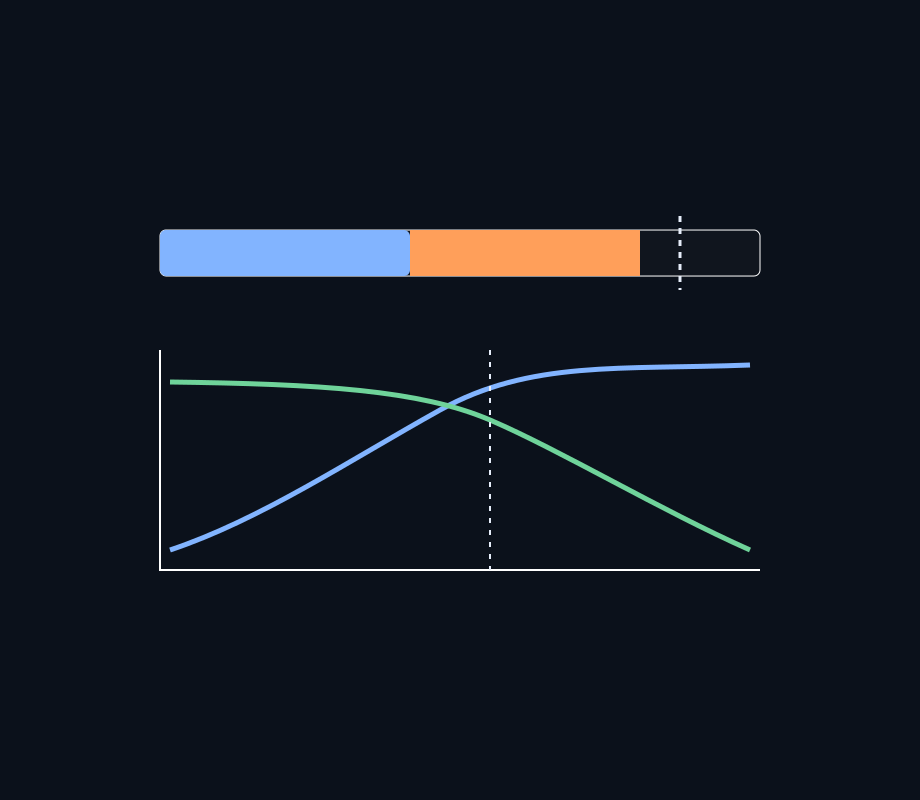
Pick a model and a GPU to see how weights, KV cache and batch size set memory, speed and cost.
I’m an engineer working on backend systems, infrastructure, and applied AI.
I use this site to write about what I’m learning and collect projects that help me understand how things work.
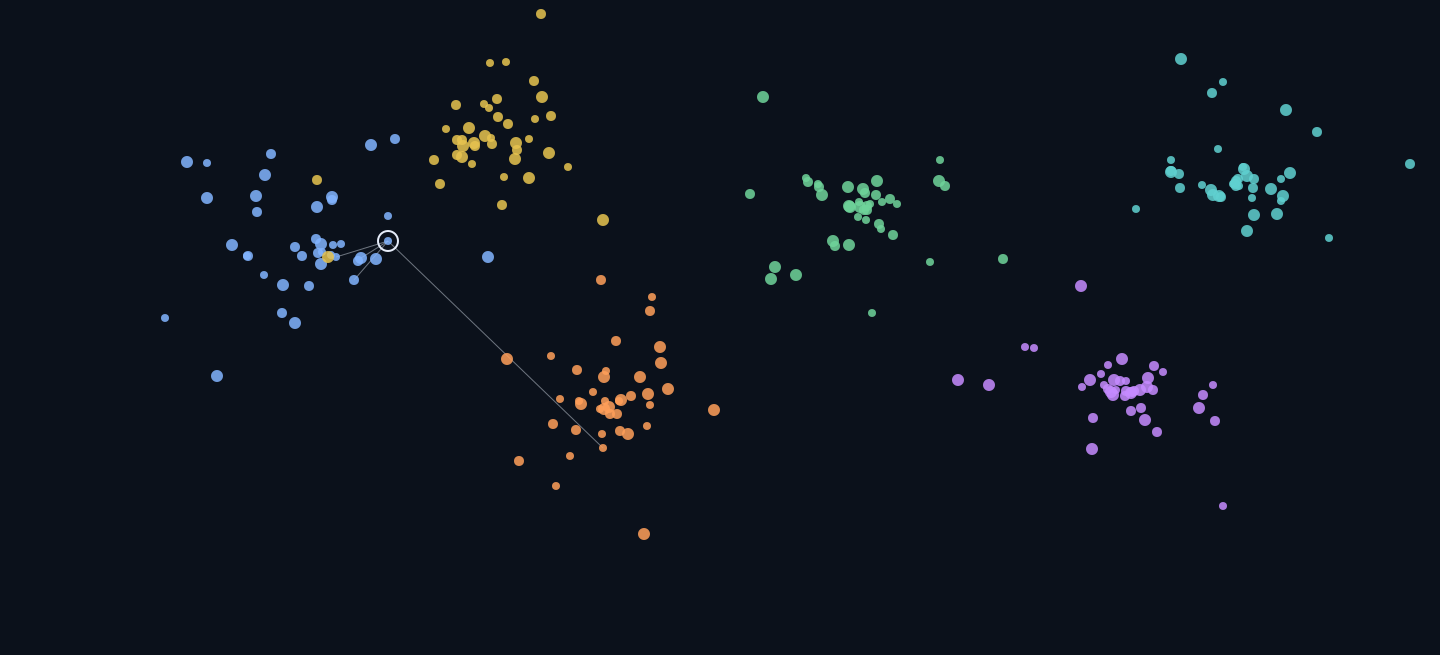
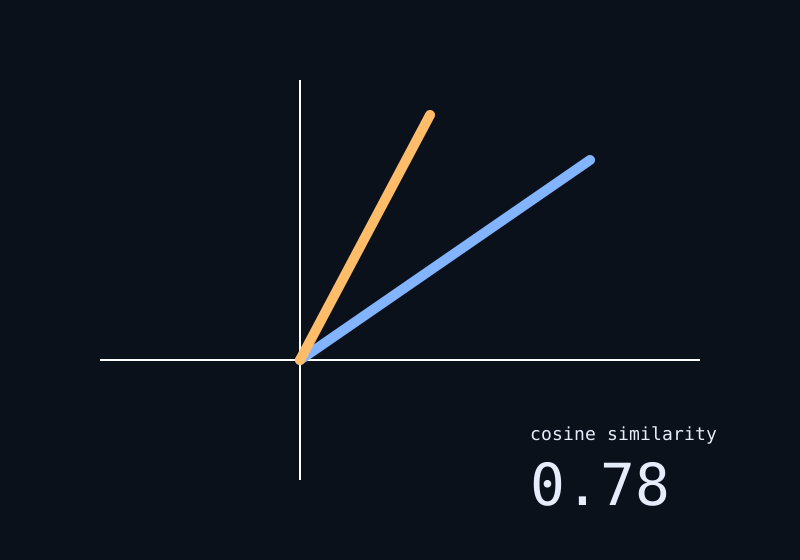
About meReal models running in your browser: a detector, CLIP, a sentence embedder and an agent loop, plus a calculator for what serving an LLM actually costs. Change one setting at a time and see what moves.
Pick a model and a GPU to see how weights, KV cache and batch size set memory, speed and cost.
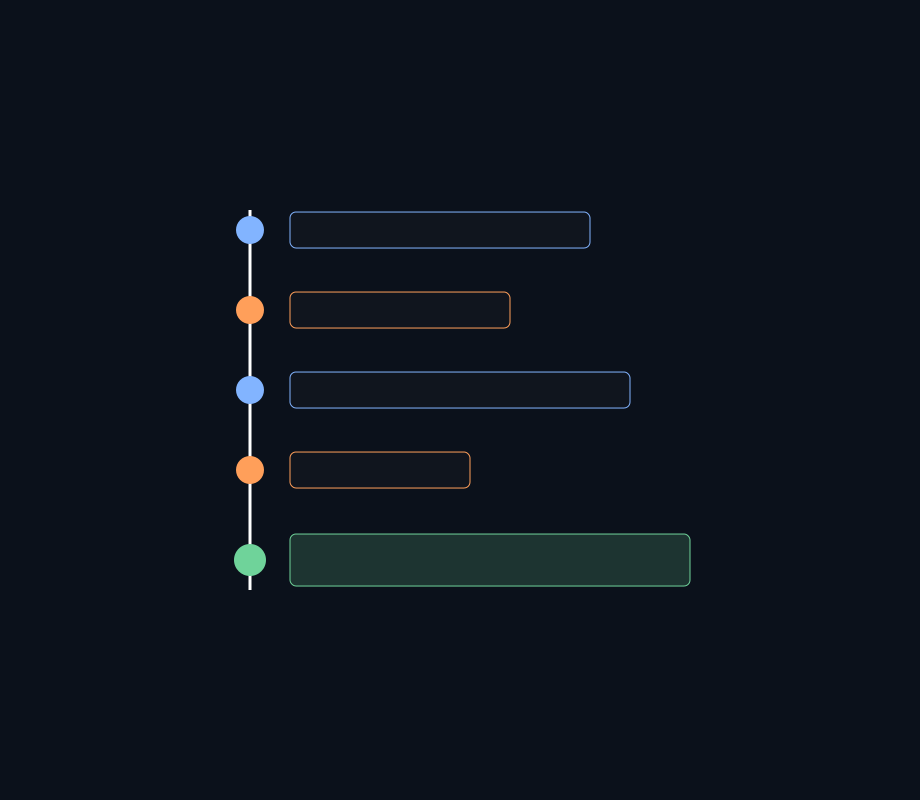
Ask a question and watch a language model search, read and calculate its way to an answer, step by step.
Run a real detector on a photo or your webcam, then tune the thresholds that turn 1,917 guesses into a few boxes.
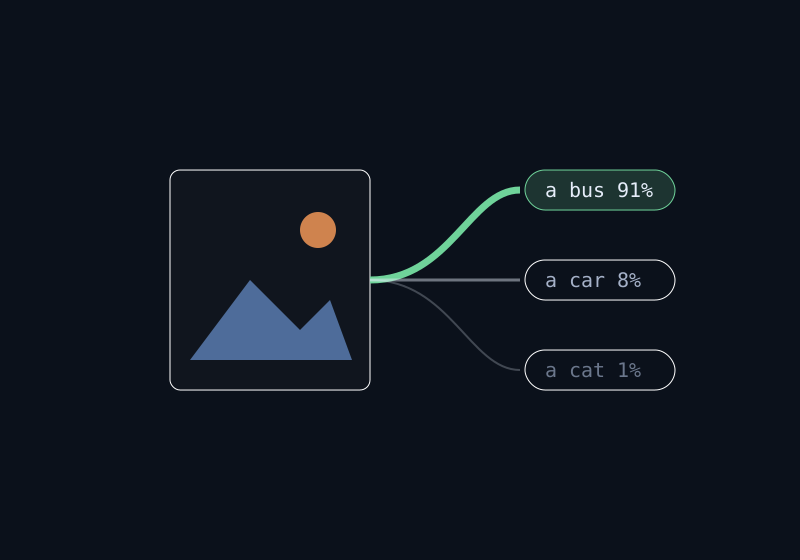
Type any labels and let CLIP pick one for a photo, then search images with plain text.
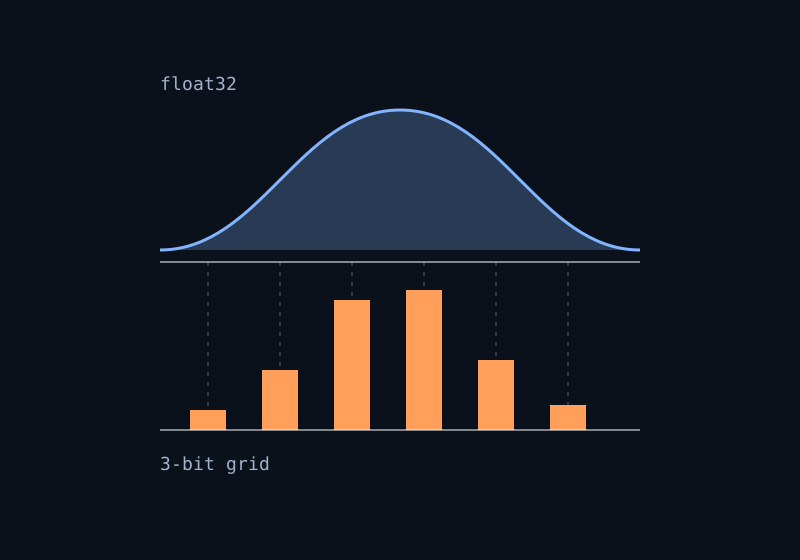
Round a real detector’s weights to 8, 4 or 2 bits and see which layers, and which boxes, break first.
These labs focus on decisions you can test: what a transaction is allowed to commit, where retrieval loses the right result, and what an image-generation comparison actually establishes. Source-based experiments, inspectable models, and notes on where the conclusions stop.
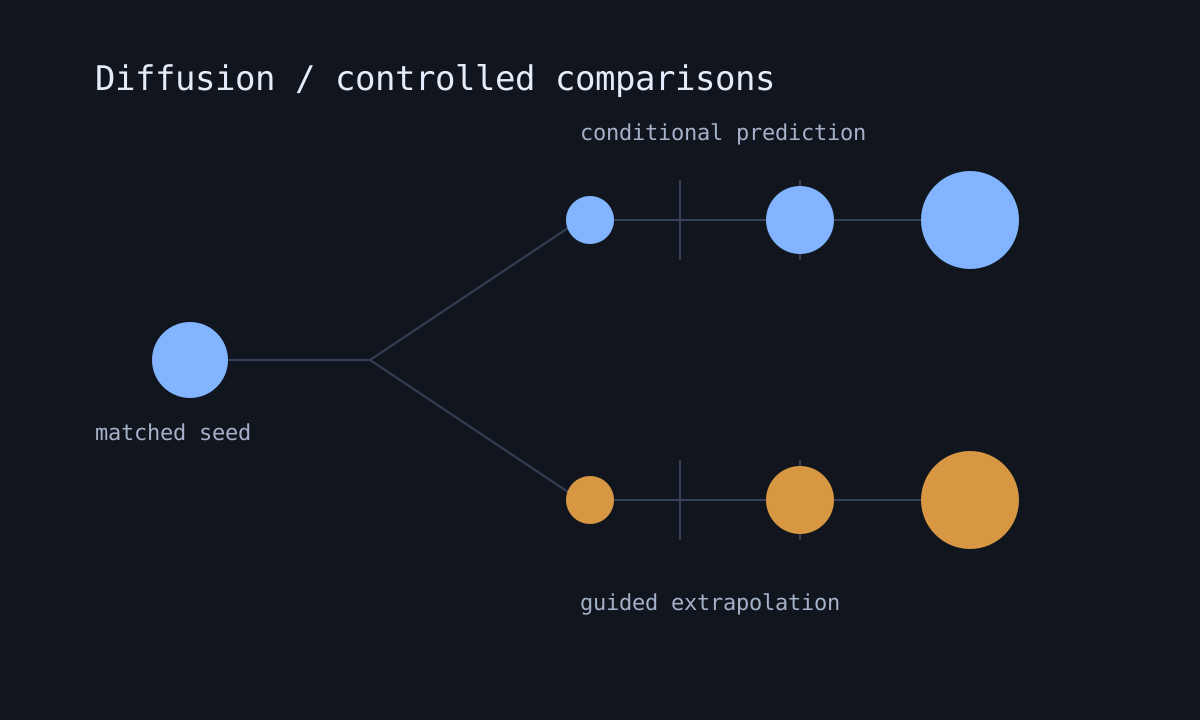
Compare original denoising runs across guidance scales, prompts and matched seeds.
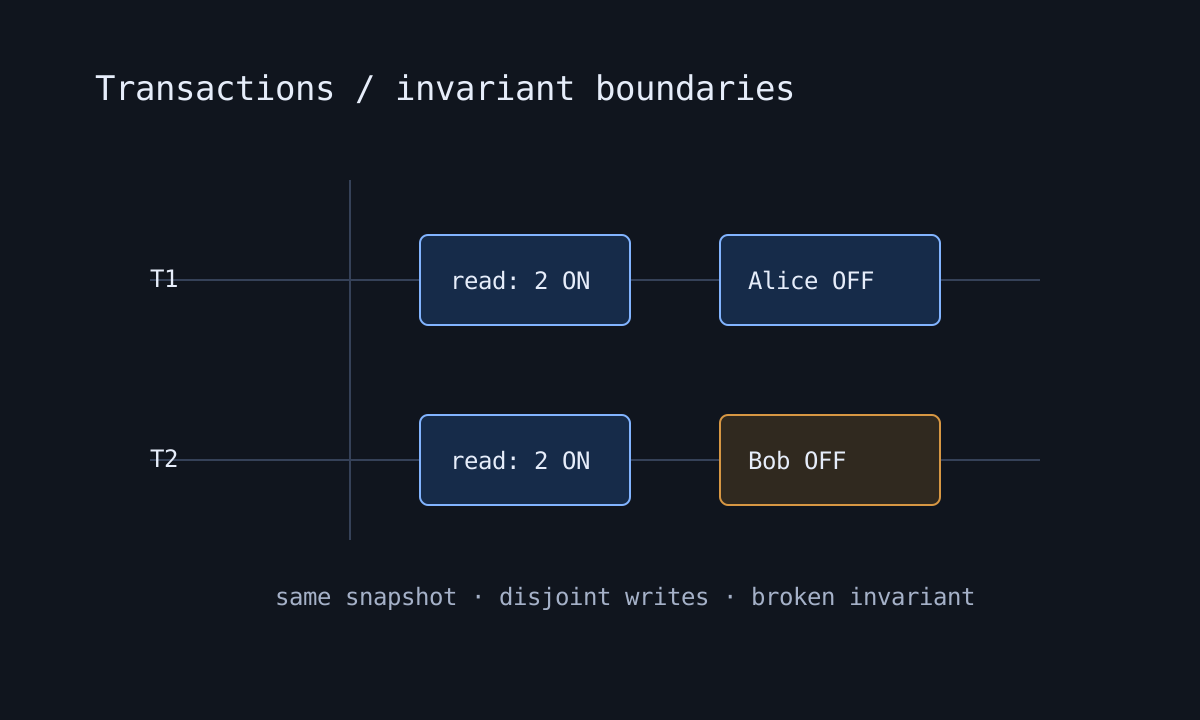
Interleave snapshot reads and commits, reproduce write skew, and inspect what pins old versions.
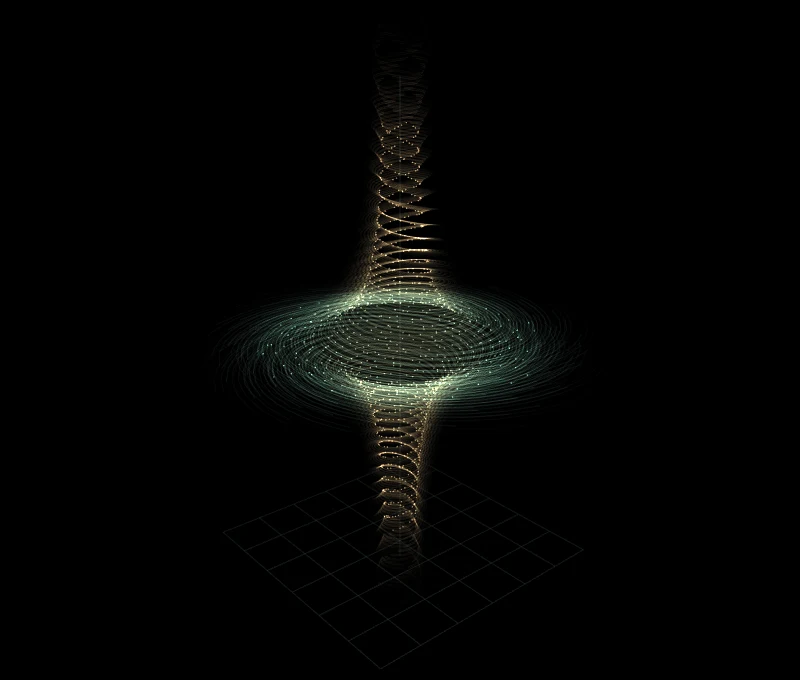
Some ideas are easier to understand when you can change something and watch what happens. These simulations let me explore fluid motion and the path of light around a black hole. I’ve collected them here with notes on what each one shows.
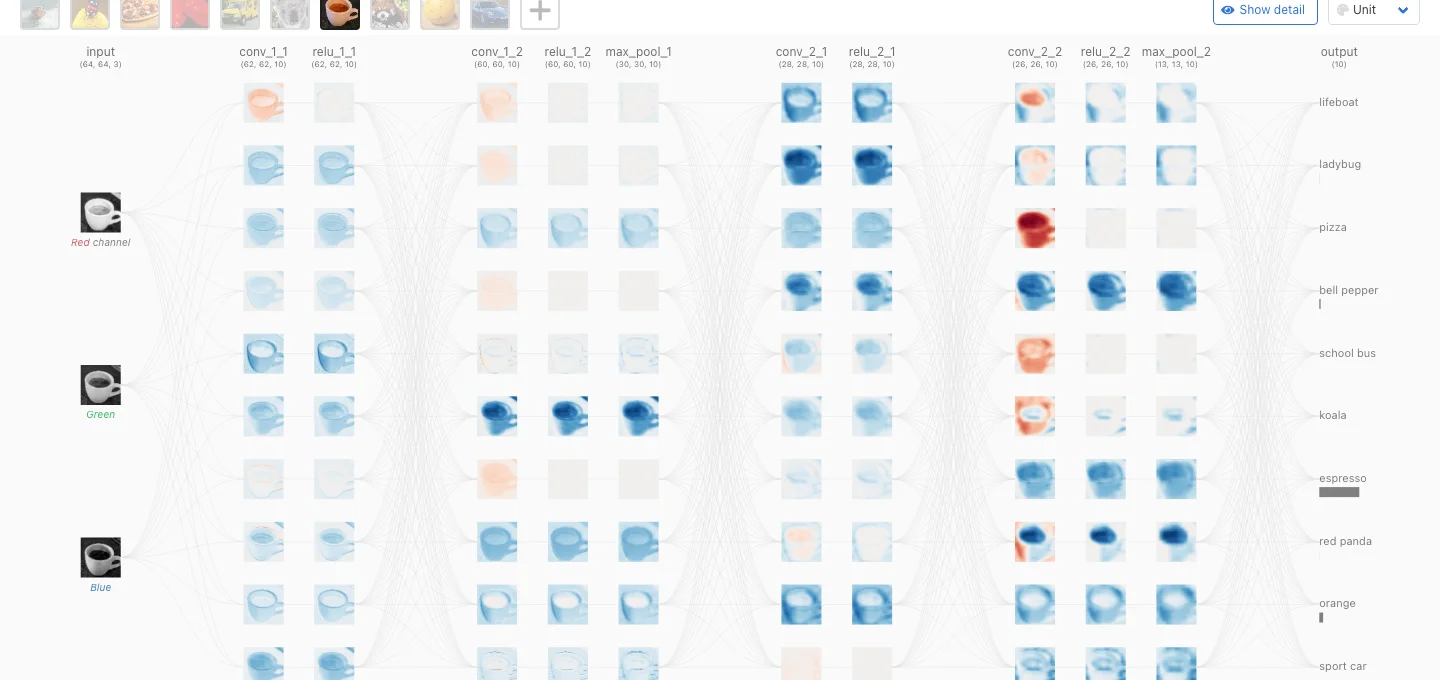
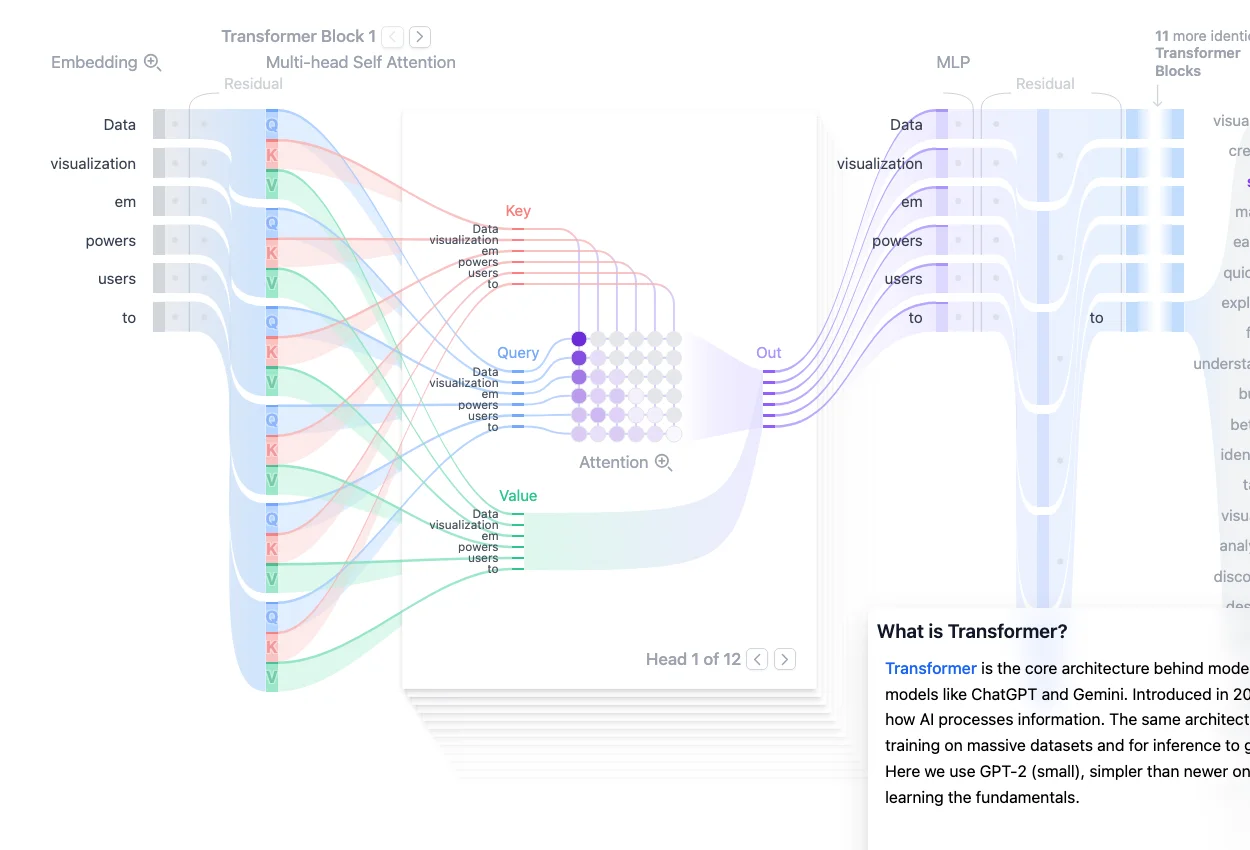
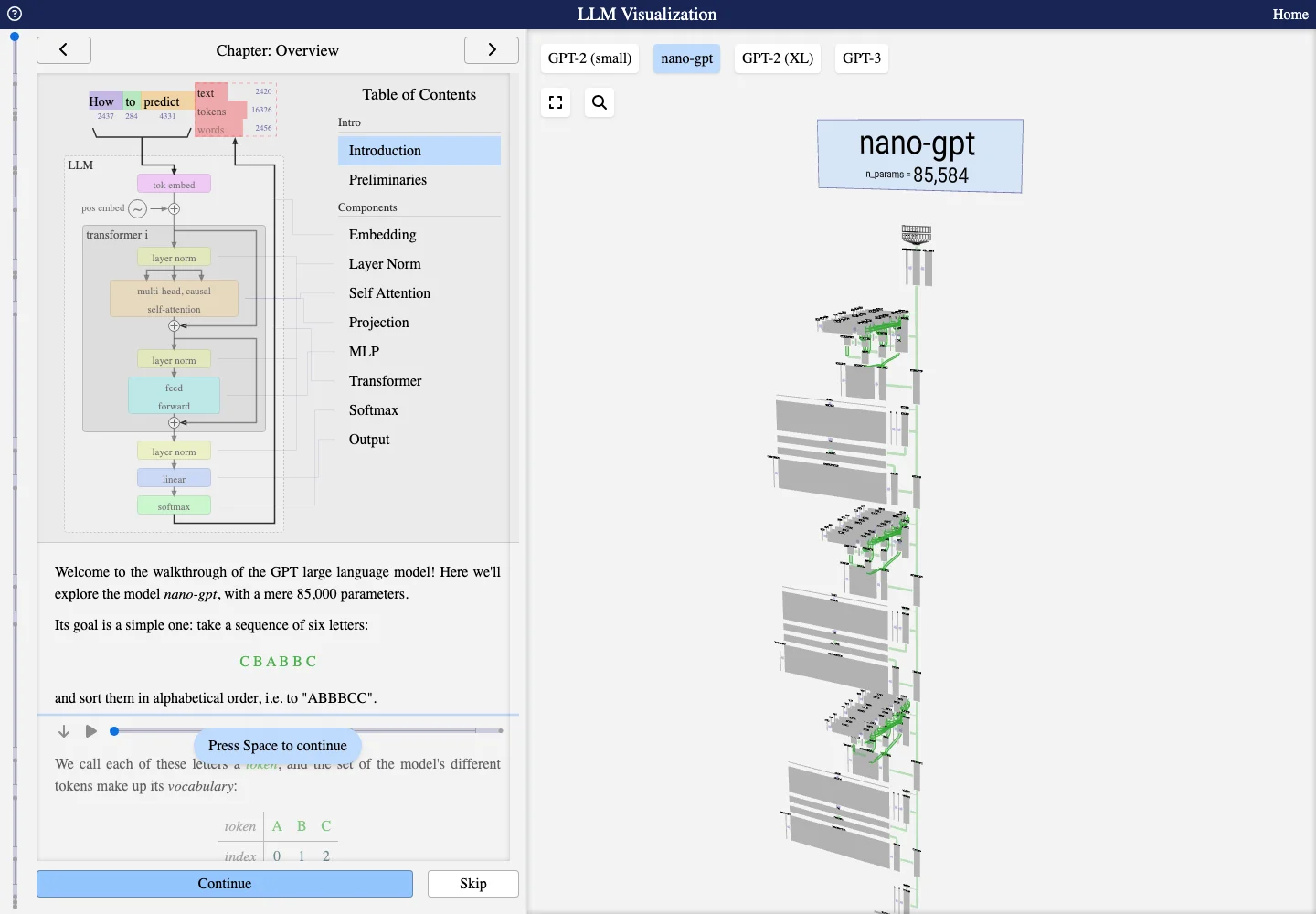
I’m interested in the steps behind a model’s output: how an image becomes a set of features, how attention connects tokens, and how those calculations fit together. These interactive explanations make it possible to follow the process and inspect what each layer does.
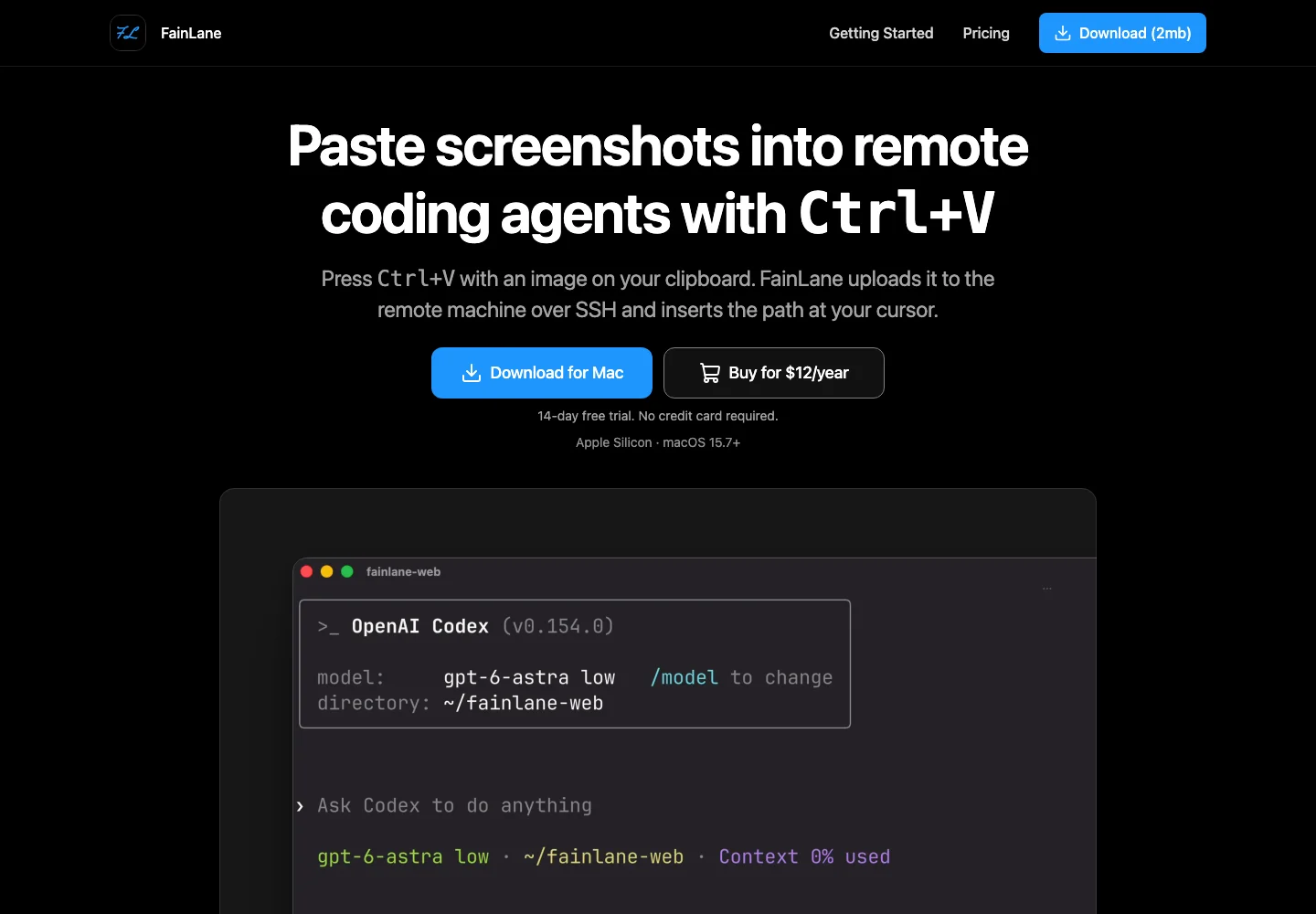
The tools I come back to tend to solve a small, recurring problem: sending a screenshot to a remote machine, keeping track of spending, or catching up on Hacker News. These projects reflect what I value in everyday software: a clear purpose and fewer steps between opening an app and getting something done.
Chrome can run Gemini Nano on your own machine. Here is what it is good at, where it quietly goes wrong, and live examples you can run on this page.
9 min readPick a model and a GPU to see how weights, KV cache and batch size set memory, speed and cost.
8 min readAsk a question and watch a language model search, read and calculate its way to an answer, step by step.
7 min read