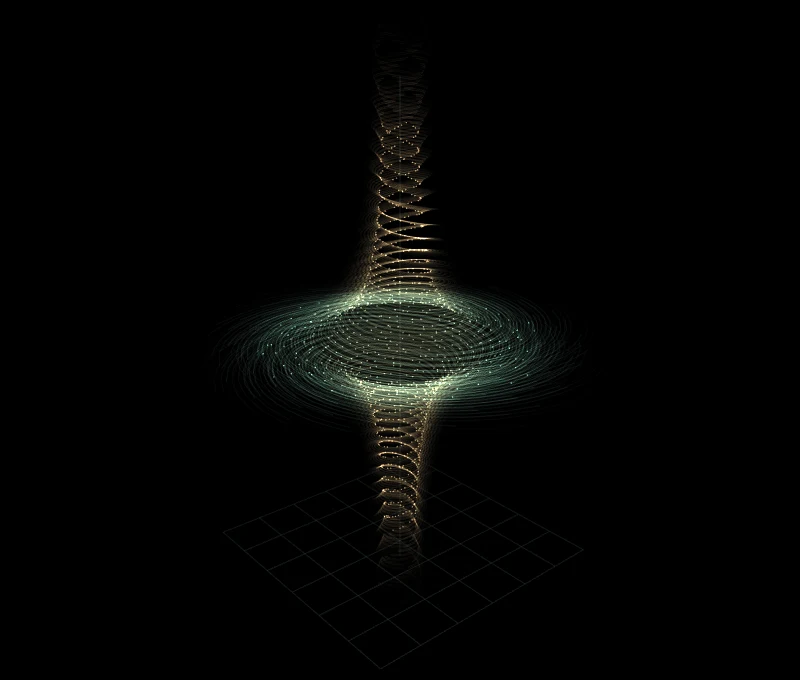
Navier–Stokes vortex
Explore the shrinking core geometry behind OpenAI’s September 2026 Navier–Stokes construction.
Simulations and explainers you can try in your browser.
Explore the shrinking core geometry behind OpenAI’s September 2026 Navier–Stokes construction.
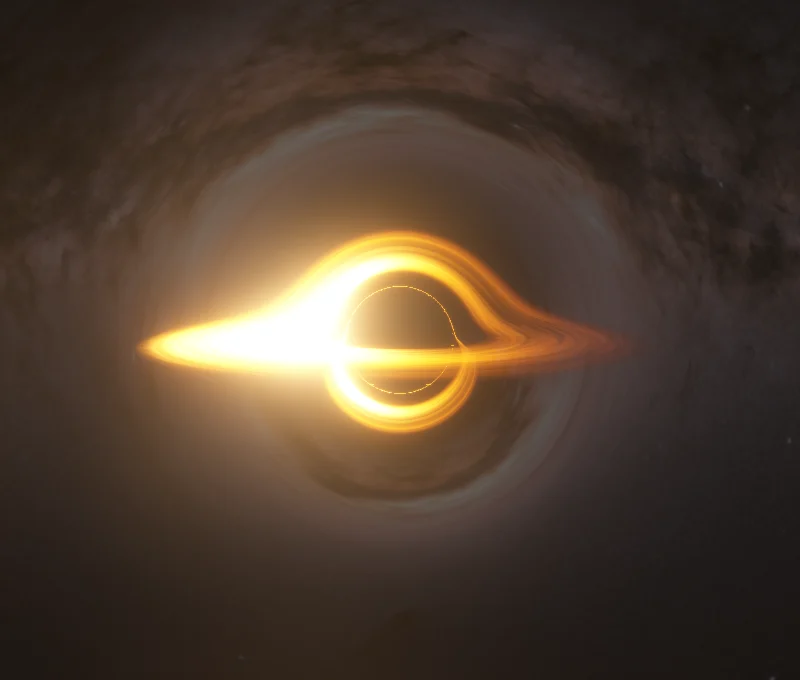
Trace the warped image of an accretion disk, then connect the geometry to the EHT observation of M87*.
Trace a fluid solver from advection to pressure projection, and measure what the grid loses.
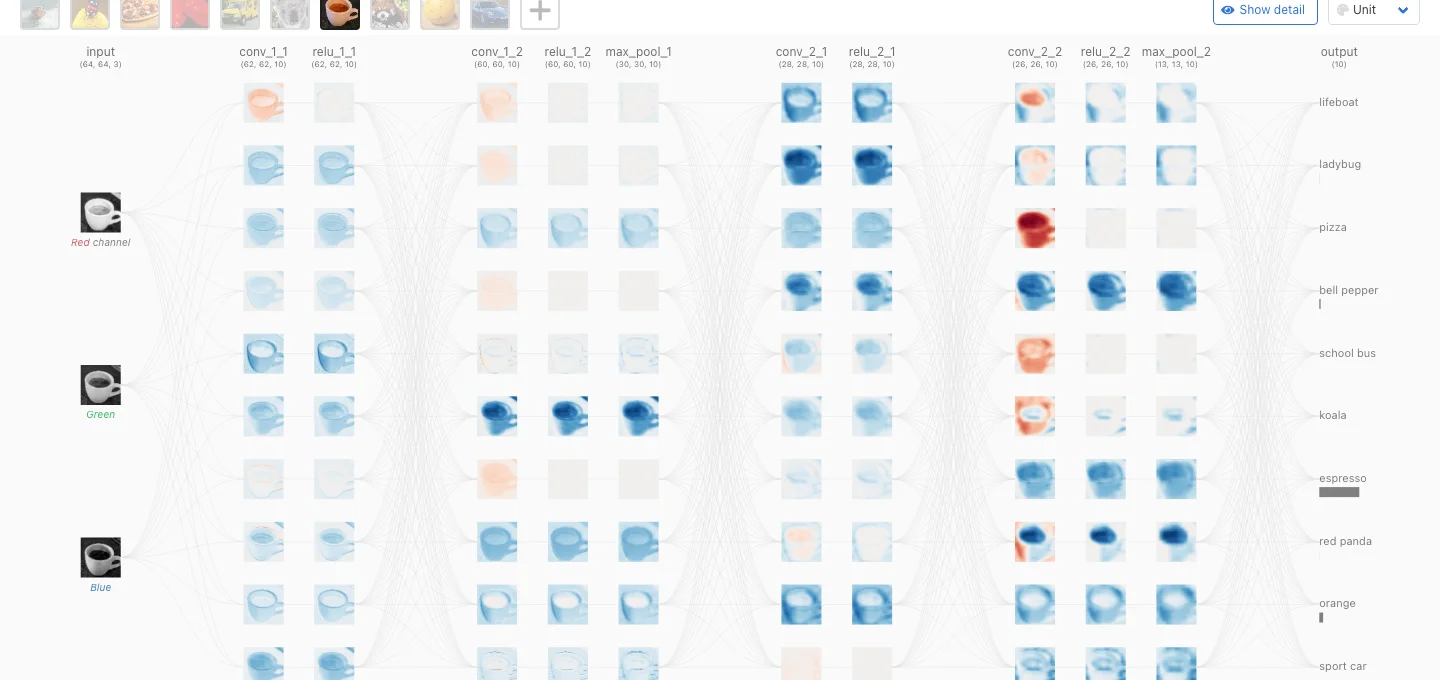
Inspect image features, then trade spatial resolution against receptive field and compute.
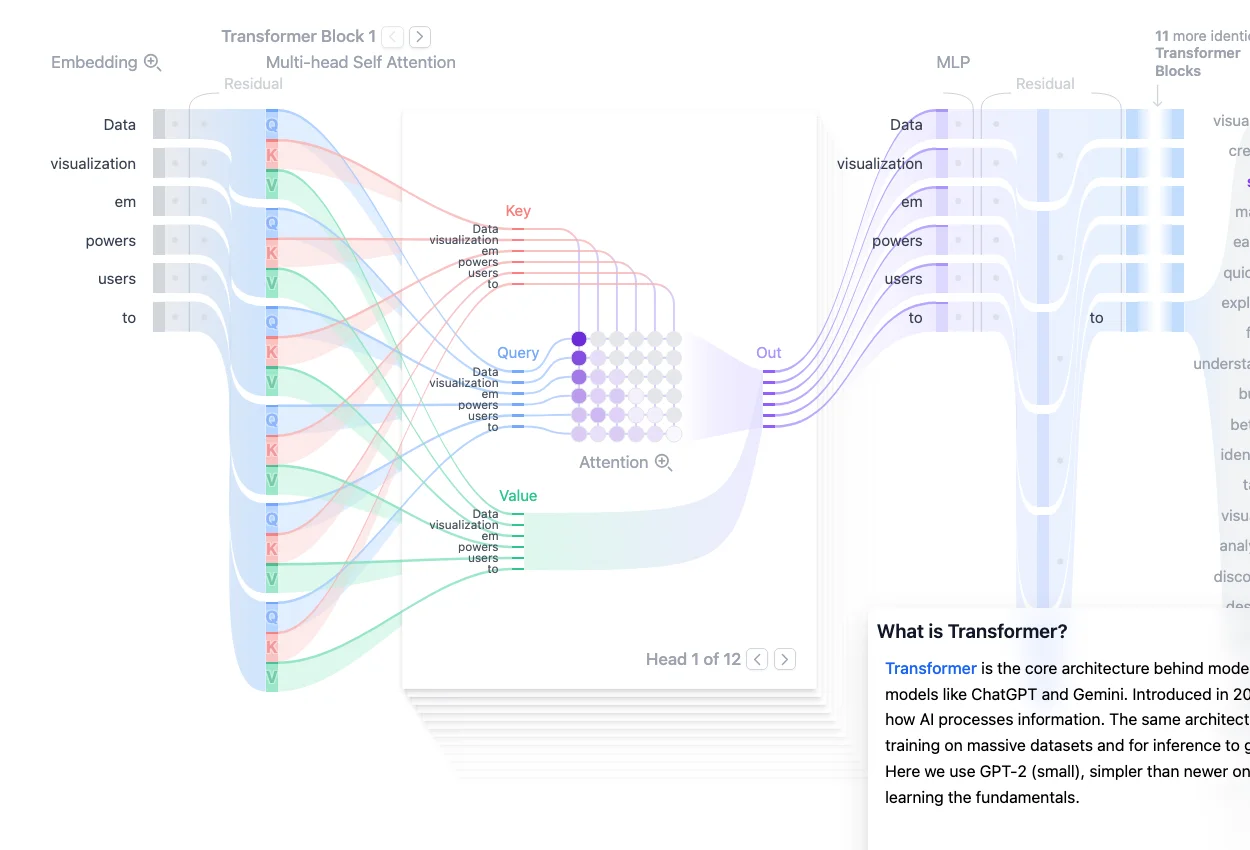
Inspect causal attention, intervene on its mask, and budget the memory behind long contexts.
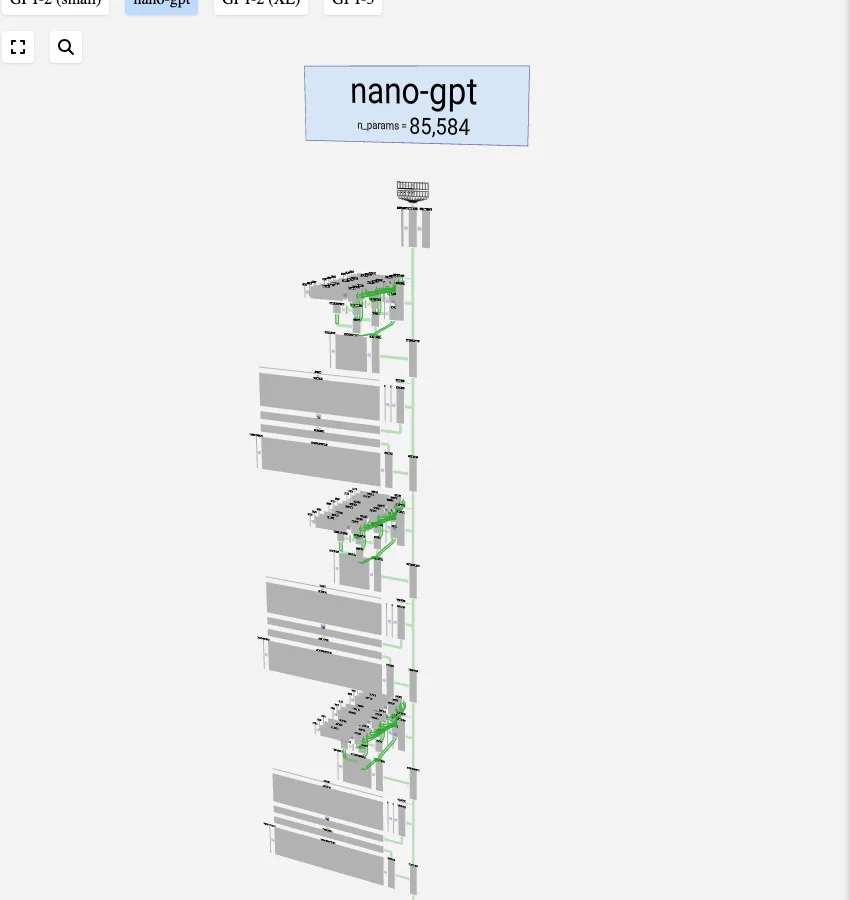
Follow the tensor calculations, then explore when inference runs out of compute or bandwidth.
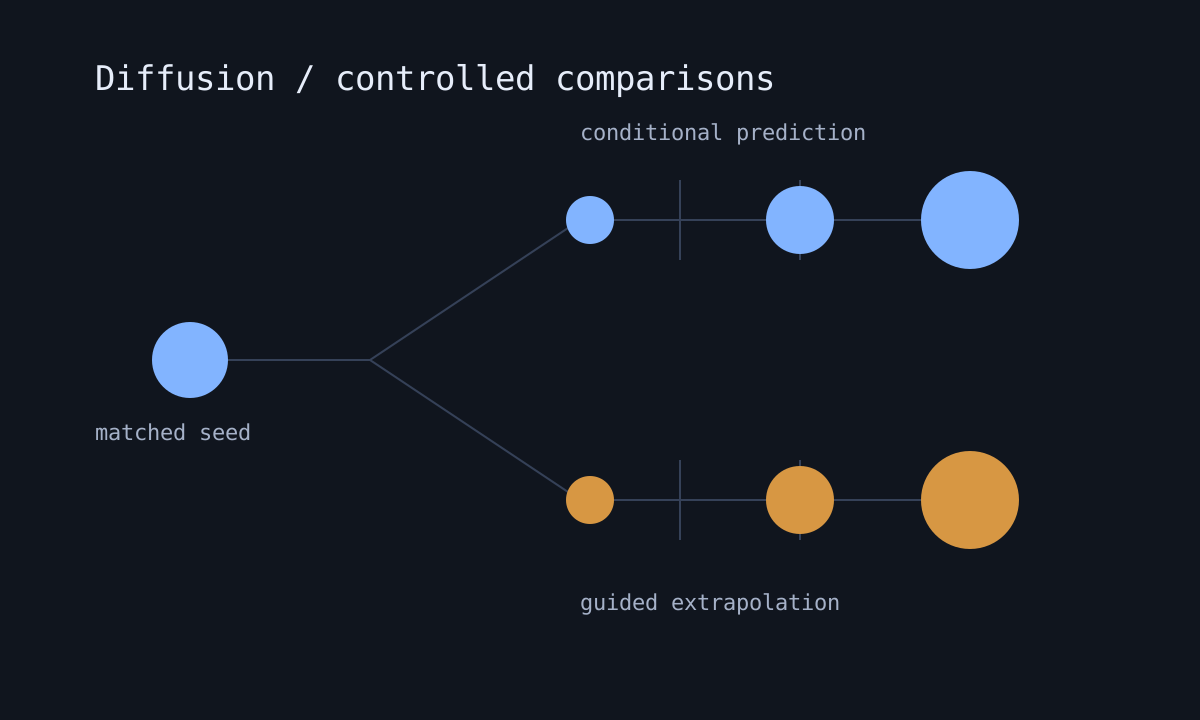
Compare original denoising runs across guidance scales, prompts and matched seeds.
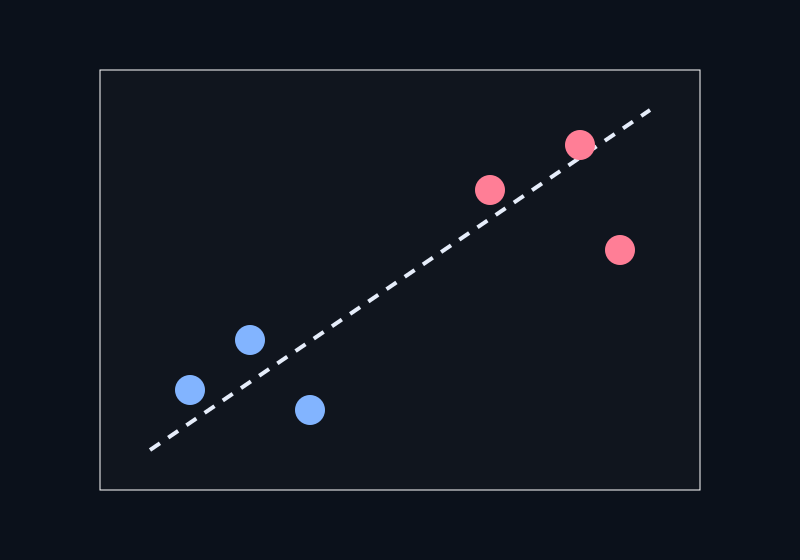
Compare linear and nonlinear models through decision fields, held-out loss, and noisy labels.
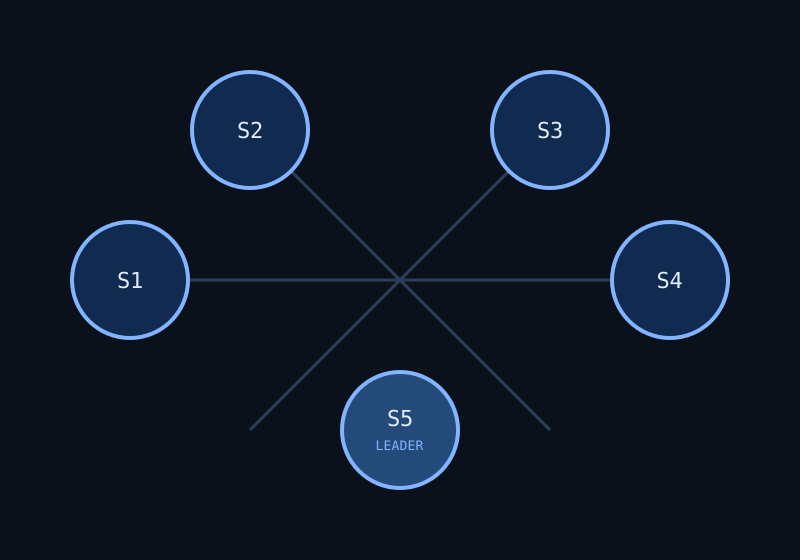
Delay and drop RPCs, crash replicas, inspect quorum evidence and replay divergent-log recovery.
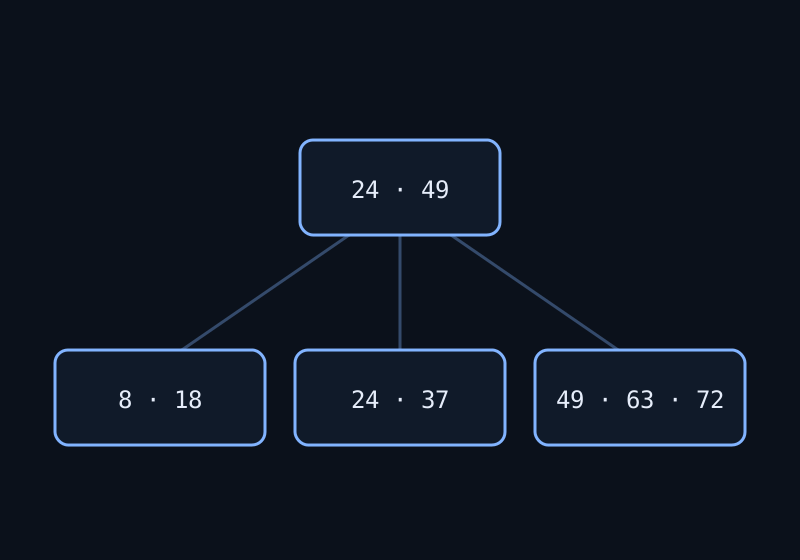
Connect page mutations to buffer-pool misses, primary-key locality and covering-index costs.
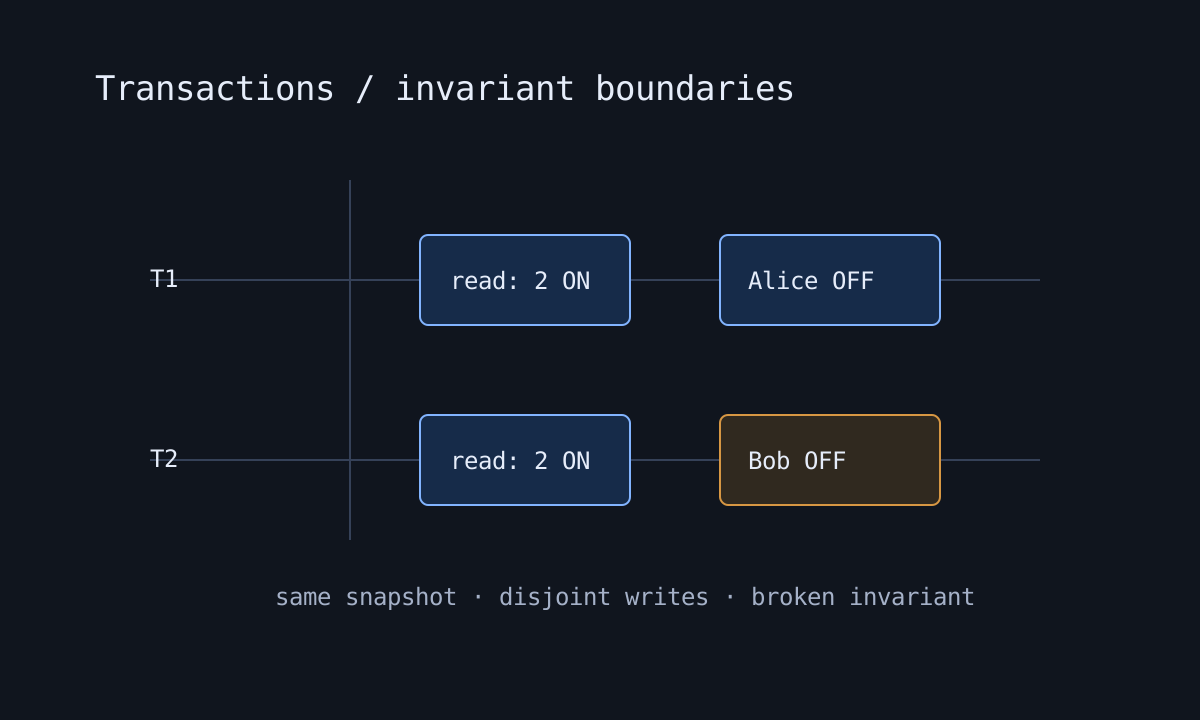
Interleave snapshot reads and commits, reproduce write skew, and inspect what pins old versions.
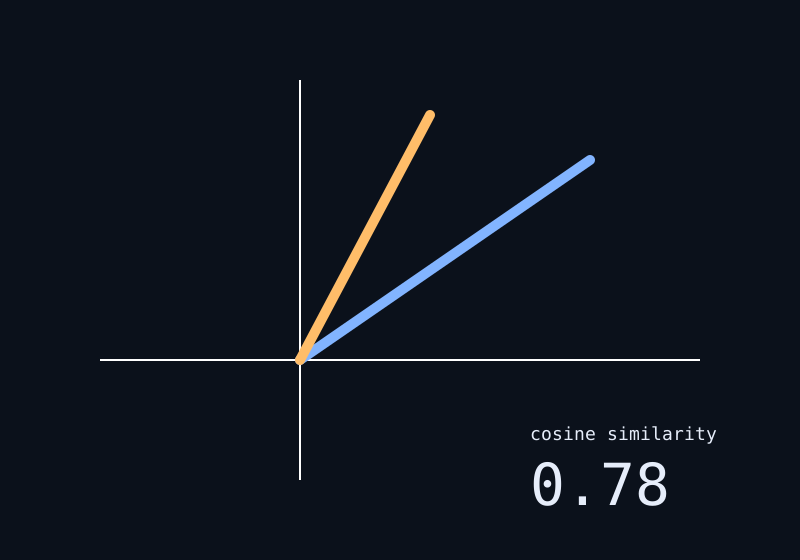
Search real 200D embeddings; separate routing, quantization and filtering losses from projection artifacts.
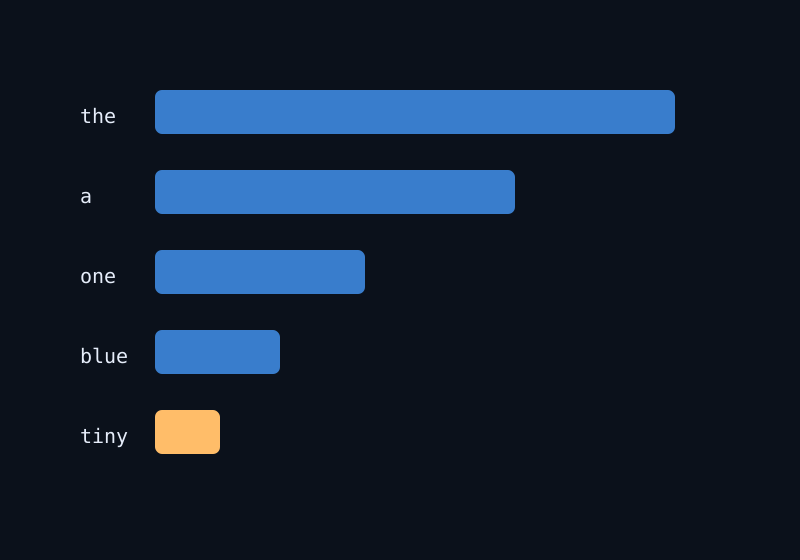
Inspect full-vocabulary GPT-2 logits, expose truncated-display errors, and compare local and sequence scores.
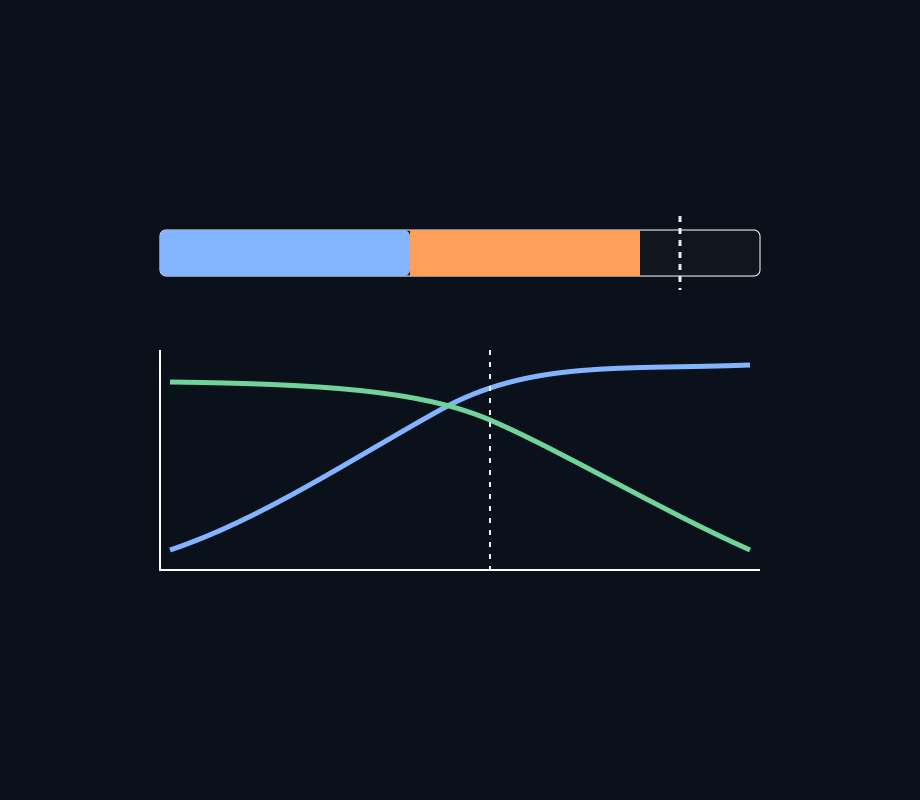
Pick a model and a GPU to see how weights, KV cache and batch size set memory, speed and cost.
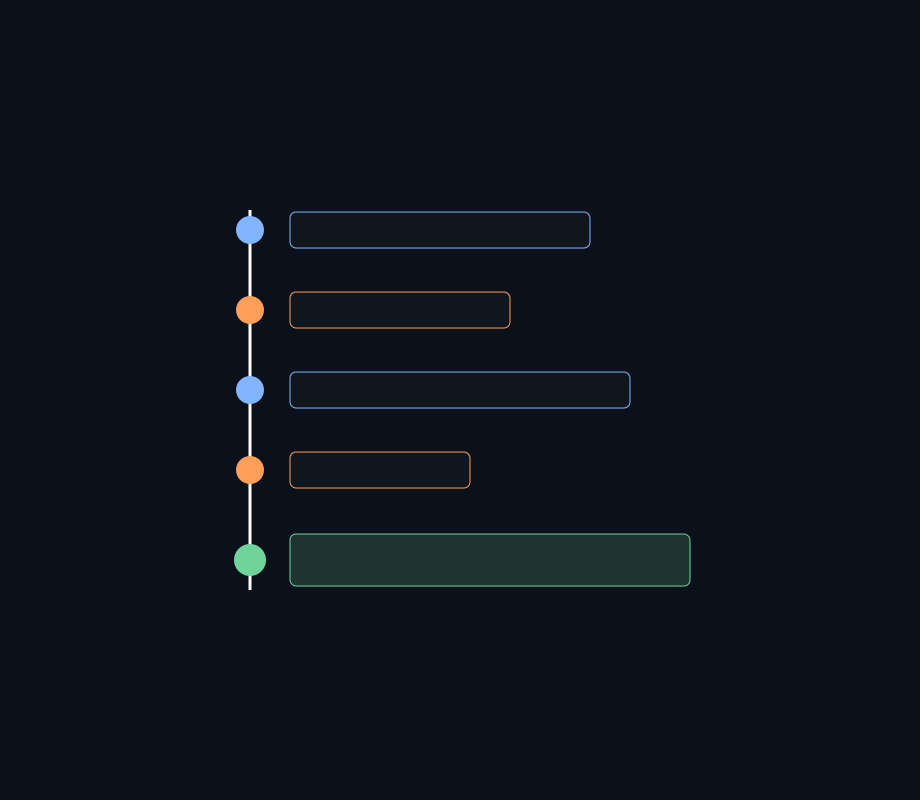
Ask a question and watch a language model search, read and calculate its way to an answer, step by step.
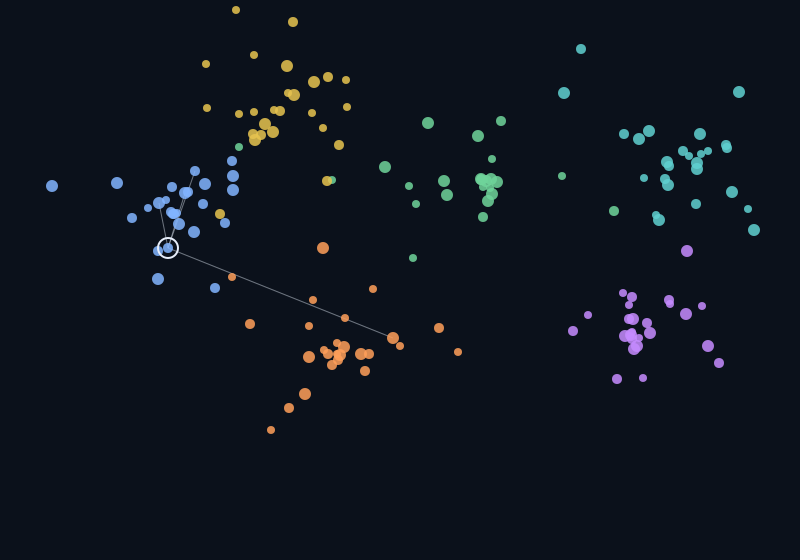
Embed every passage on this site in your browser, then compare what PCA, t-SNE and UMAP keep and lose.
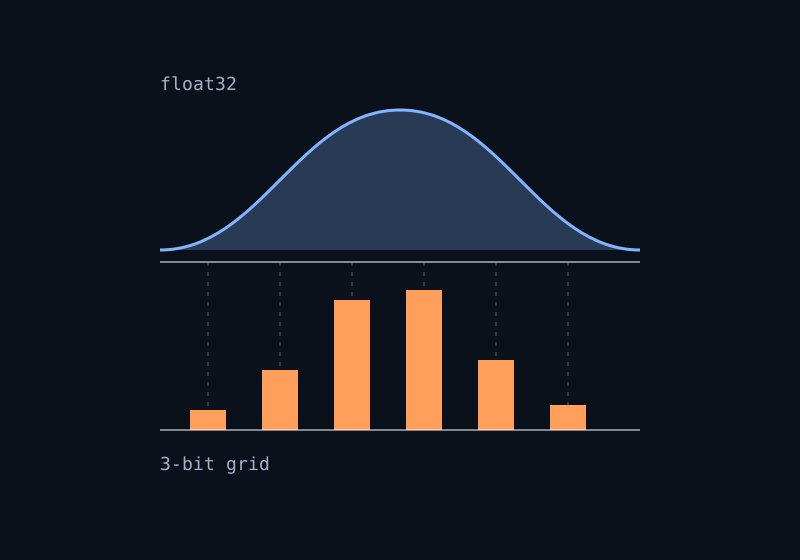
Round a real detector’s weights to 8, 4 or 2 bits and see which layers, and which boxes, break first.
Run a real detector on a photo or your webcam, then tune the thresholds that turn 1,917 guesses into a few boxes.
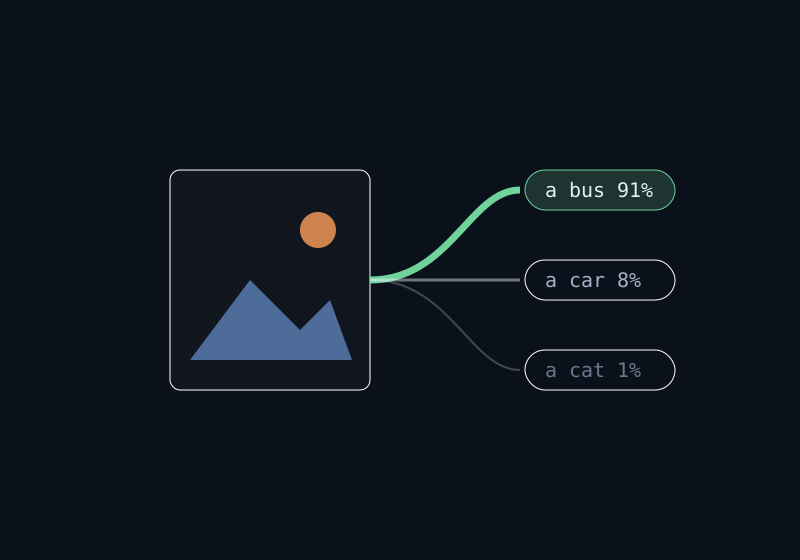
Type any labels and let CLIP pick one for a photo, then search images with plain text.
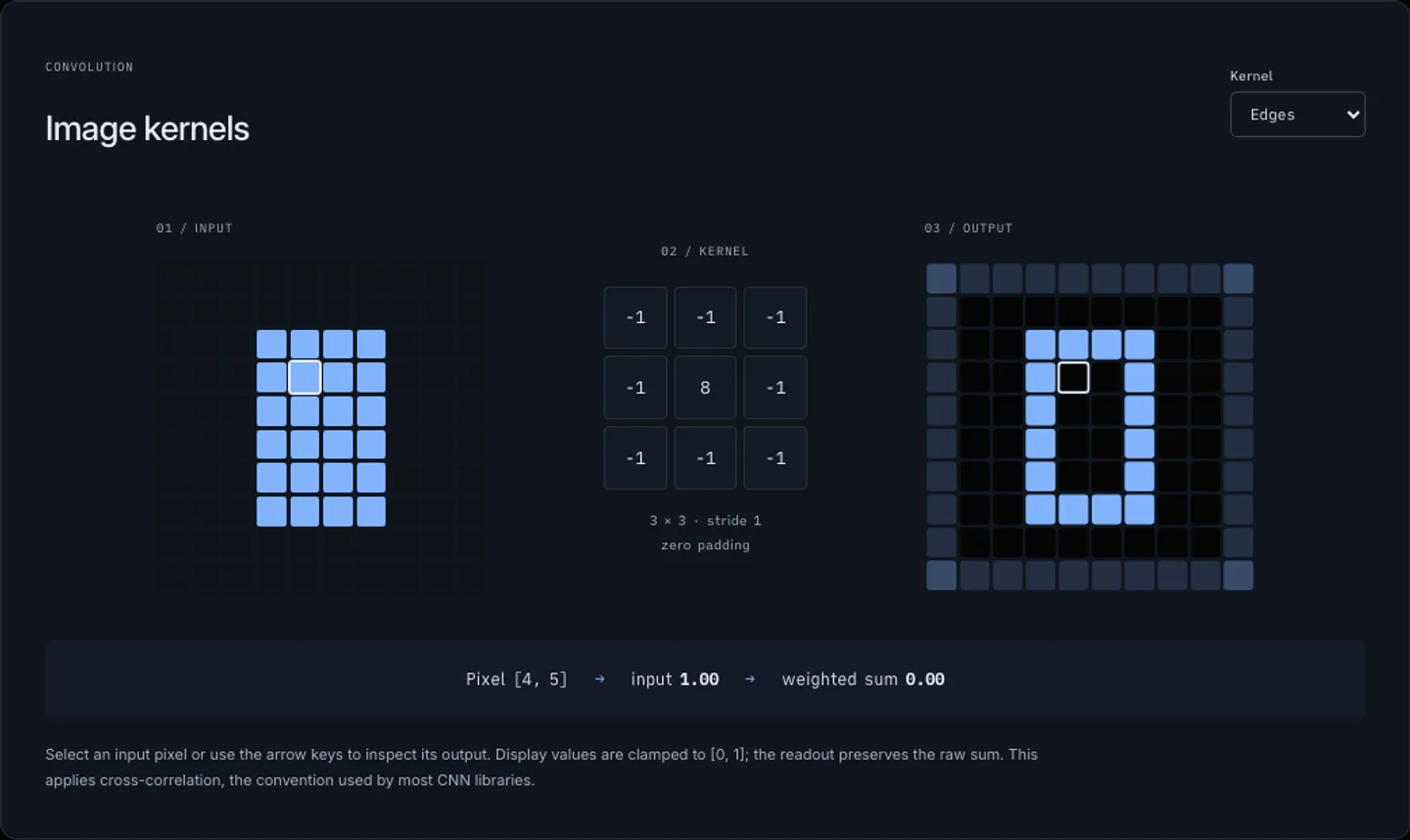
Try blur, sharpening, and edge detection.
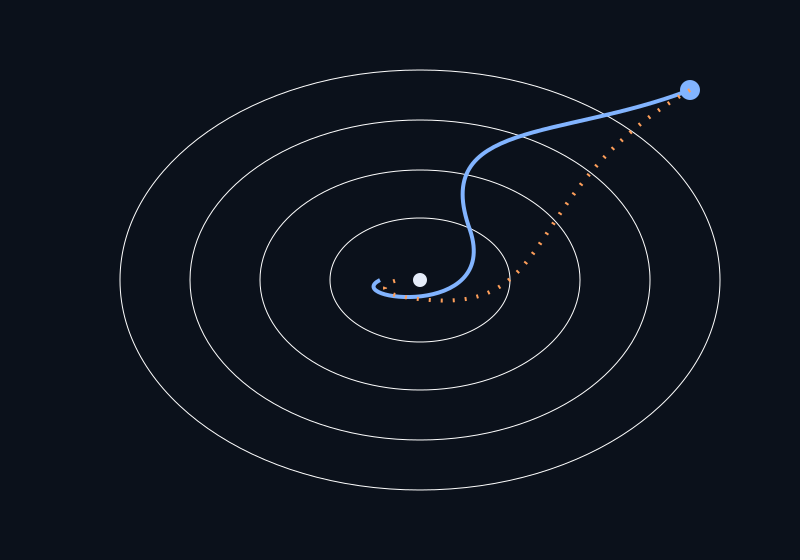
Race GD, momentum, RMSProp, and Adam down a bowl, a ravine, and a valley.
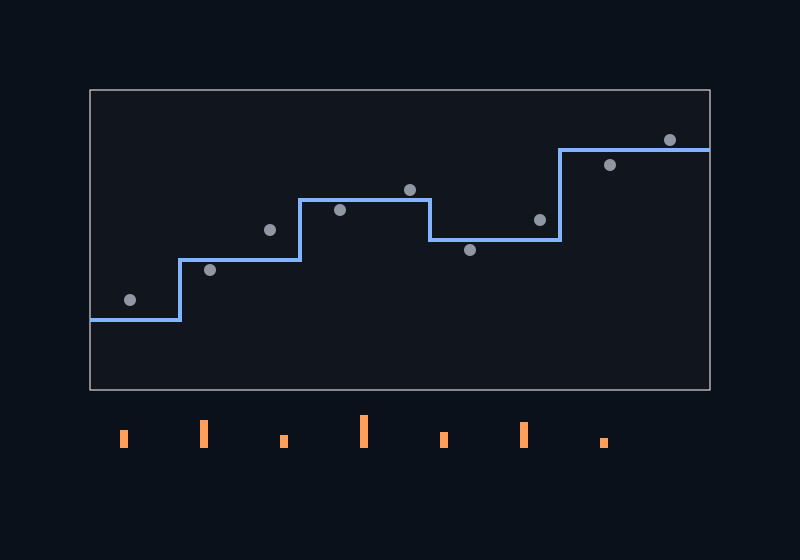
Step through boosting rounds as shallow trees fit residuals one at a time.
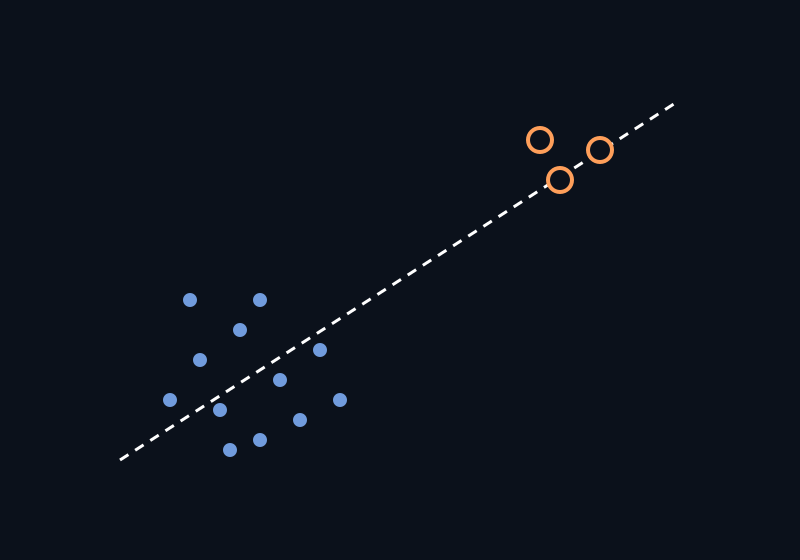
Compare class weighting, oversampling, undersampling, and SMOTE on a 9:1 split.
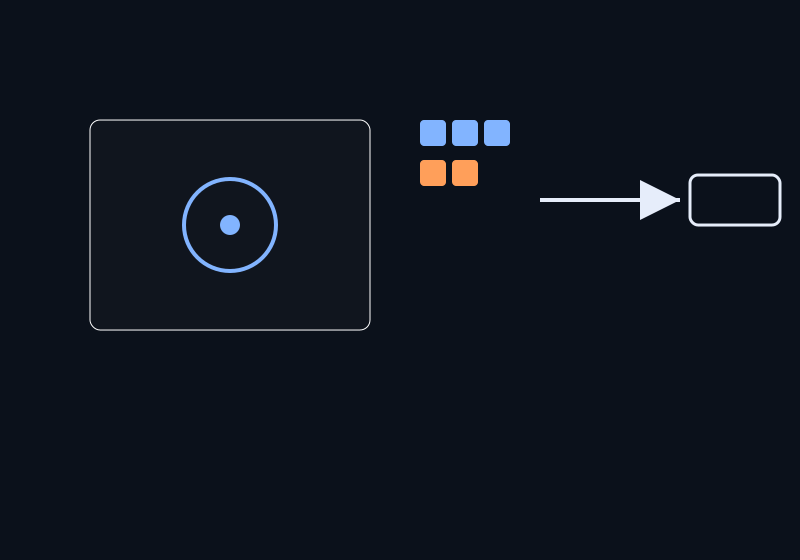
Train a webcam classifier in-browser over a frozen MobileNet with k-NN.